Civic Hospital Area
The Doctors' Quarter: Central, Traditional, Family-Oriented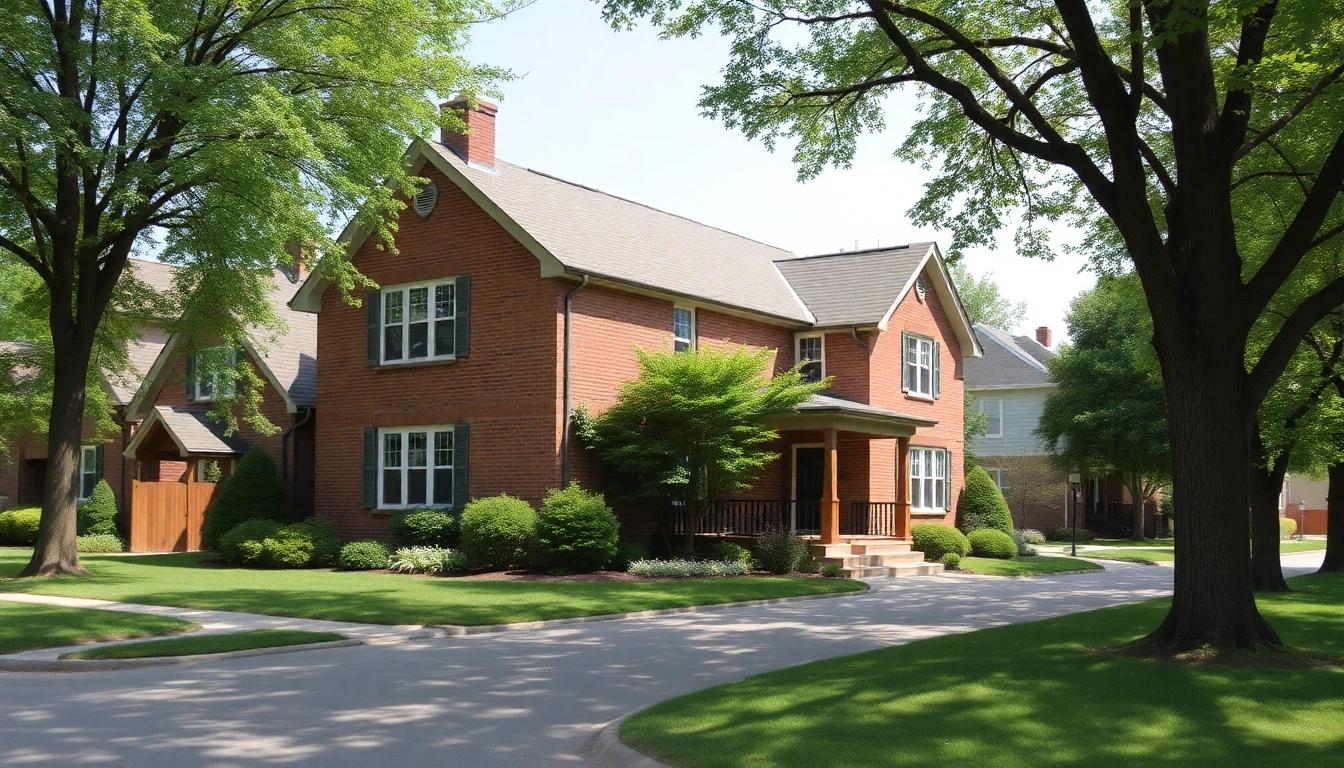
The Civic Hospital neighborhood—sometimes called "Carlingwood" or simply "The Civic area"—is Ottawa's quintessential family-friendly affluent community. Centered around the Ottawa Civic Hospital campus and bounded roughly by Carling Avenue, this area has earned its nickname "The Doctors' Quarter" honestly: it's where medical professionals have congregated for generations, drawn by proximity to their workplace and excellent schools.
This isn't the flashiest of Ottawa's wealthy neighborhoods. There are no riverfront mansions or gated estates here. Instead, you'll find solid, spacious brick homes from the 1920s through 1950s, lived in by established families who value stability, tradition, and community over status displays.
The Medical Professional Magnet
The neighborhood's proximity to the Civic Hospital campus creates a natural clustering effect. Surgeons, specialists, and senior medical staff often choose to live within walking or short driving distance of the hospital—particularly important for those who take on-call shifts or respond to emergencies.
Over time, this medical concentration has created a particular neighborhood culture: professional, family-focused, and quietly prosperous. These are people who work extremely hard, earn substantial incomes ($250K-$500K+ for senior specialists), and invest heavily in their children's education and activities.
The Experimental Farm Effect
Canada's Central Experimental Farm: The neighborhood's southern boundary is the Central Experimental Farm—a 1,000-acre working agricultural research facility and greenspace. Having this massive park as your backyard is an incredible urban amenity. Residents jog the trails, cross-country ski in winter, and children learn about agriculture at the farm's programs.
Housing Character
The Civic Hospital area is predominantly single-family homes, with lot sizes ranging from 50 to 70 feet frontage—generous by modern standards. Most homes date from the 1920s to 1950s construction boom, featuring:
- Brick Construction: Typically red or buff brick, extremely durable
- 4-5 Bedrooms: Large enough for growing families
- 2,500-3,500 sq ft: Substantial living space
- Mature Landscaping: Century-old trees provide canopy cover
- Finished Basements: Rec rooms, home offices, guest suites
- Detached Garages: Single or double, often original to the home
These aren't flashy homes, but they're extremely functional for family life. The layouts are traditional—formal living and dining rooms, kitchen at the back, bedrooms upstairs—but most have been updated with modern amenities while preserving original character.
Family Focus
Highest Concentration of Families with Children Under 18
Unlike some wealthy neighborhoods that skew older or childless, the Civic area is full of active families. Streets are busy with children biking, playing road hockey, and walking to school in groups—a increasingly rare sight in modern cities.
The Schools Advantage
The Civic Hospital neighborhood is served by highly regarded public schools, which is a major draw for families. Hopewell Avenue Public School, Westboro Academy, and Fisher Park/Summit Alternative School all have excellent reputations.
But many Civic area families also choose private education, with easy access to Ashbury College, Elmwood School, and other elite institutions. The combination of proximity to both strong public and private schools makes the neighborhood particularly appealing to education-focused families.
Who Lives Here?
- Medical Professionals: Surgeons, specialists, physicians (30-40% of residents)
- Senior Civil Servants: DMs and ADMs who value central location
- Lawyers: Partners at mid-size firms, crown prosecutors
- Business Executives: Mid-to-senior level managers at major corporations
- Established Families: Multi-generational residents who inherited homes
Community & Lifestyle
The Civic Hospital area has a strong sense of community, fostered by several factors:
Active Community Association: The Civic Hospital Neighbourhood Association organizes events, advocates for residents, and maintains community cohesion.
Walkability: Despite being car-oriented by modern standards, many amenities are within walking distance—Carlingwood Shopping Centre, numerous parks, schools, and local shops along Merivale and Carling.
Safety & Stability: Extremely low crime rates, stable population (many families have lived here 20+ years), well-maintained properties create a secure environment for raising children.
The Arboretum Connection
Dominion Arboretum: Part of the Experimental Farm, this ornamental garden and tree collection becomes a neighborhood gathering spot. In spring, families picnic under cherry blossoms. In fall, the foliage display rivals anywhere in Canada. Having such a spectacular public space so accessible is a significant quality-of-life amenity.
The Value Proposition
Compared to trendier neighborhoods like Westboro or The Glebe, the Civic Hospital area offers better value for space. A $1.3M budget gets you a much larger home here than it would in more fashionable neighborhoods. For families who prioritize square footage, yard space, and proximity to excellent schools over walkable urban amenities, the math makes sense.
This is practical affluence—wealthy families making rational decisions about how to maximize their housing investment while maintaining proximity to work and quality of life.
What's Missing
The Civic Hospital area isn't perfect. It lacks the vibrant commercial strips of Westboro or The Glebe. There's no "main street" culture here—residents drive to shopping and dining rather than walking. The architecture, while solid, isn't particularly distinctive or heritage-significant. And the neighborhood can feel somewhat suburban despite being geographically central.
For some buyers, these trade-offs are deal-breakers. For others—particularly busy medical professionals with young families—they're acceptable compromises for gaining space, stability, and convenience.
Real Estate Profile
Average Home Price: $1.3M - $2.2M
Lot Sizes: 5,000 - 7,000 sq ft (50-70 foot frontages)
Architectural Styles: 1920s-1950s Brick, Post-War Bungalows, Some Modern Infills
Market Activity: Steady demand, moderate turnover, often multigenerational ownership
The Civic Hospital area appeals to a specific demographic: established professional families who want space, stability, excellent schools, and central location—and are willing to sacrifice trendiness for functionality. It's not the most exciting neighborhood on this list, but for families at a certain life stage, it might be the most sensible.